
Laparoscopic Gallstone Surgery (Cholecystectomy)
Expert Laparoscopic Gallstone Surgery in Borivali West
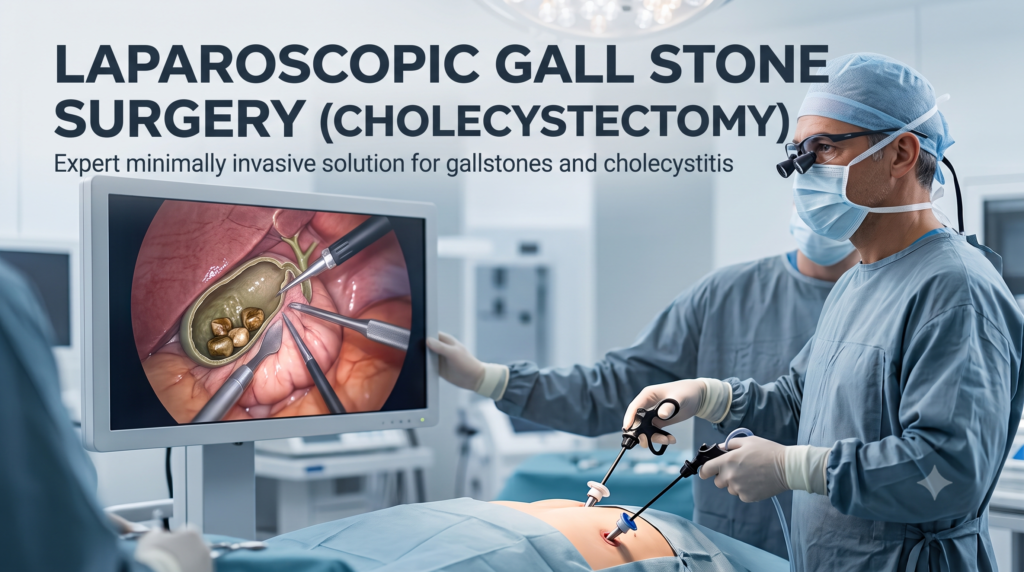
Gallstones are an increasingly prevalent condition across urban India, often linked to lifestyle, metabolic shifts, and dietary changes. When gallstones begin obstructing biliary flow, they trigger severe abdominal cramps, indigestion, jaundice, or pancreas inflammation (pancreatitis).
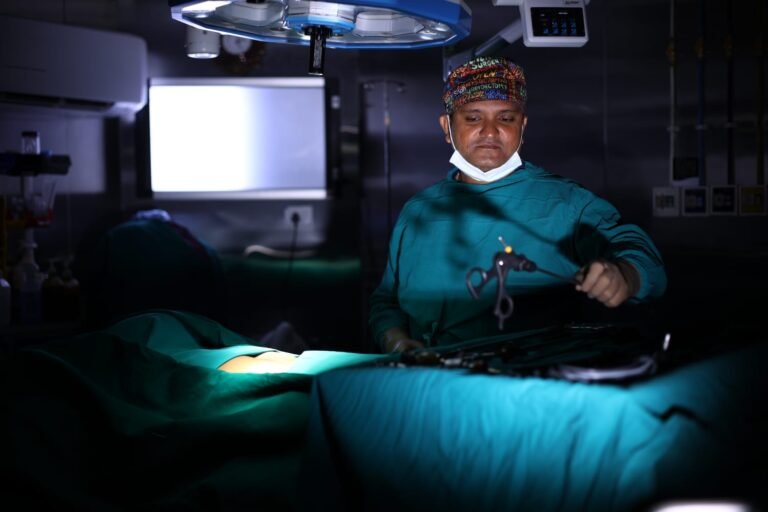
At his clinic in Borivali West, Dr. Niraj Singh specializes in Laparoscopic Cholecystectomy, the gold-standard surgical removal of the diseased gallbladder containing stones. Delivered through keyhole instrumentation, this procedure provides lasting relief from biliary colic, eliminates the risk of future gallstone complications, and gets you back to your routine within days.
Understanding Gallbladder Stones: Why Do They Form?
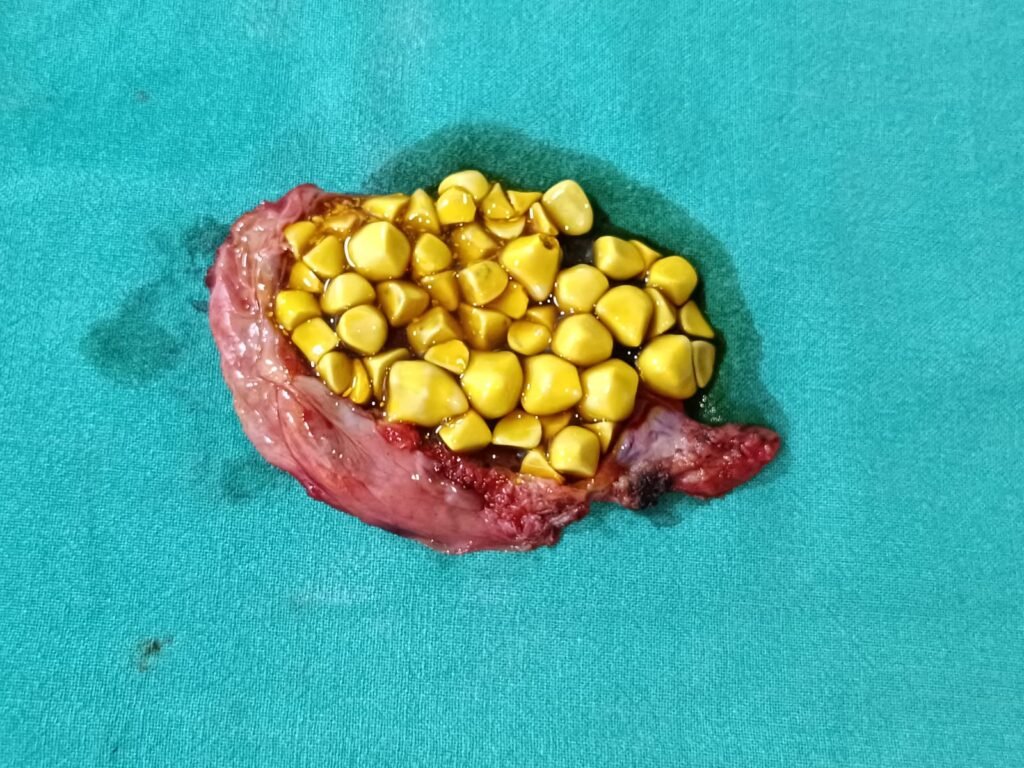
The gall bladder is a small, pear-shaped reservoir situated beneath the liver. Its primary physiological duty is to store, concentrate, and release bile, a digestive fluid manufactured by the liver to break down dietary fats. Gallstones (cholelithiasis) crystallize when chemical imbalances occur within stored bile:
- Cholesterol Stones: The most common variety; forms when the liver excretes more cholesterol than bile salts can dissolve.
- Pigment Stones: Dark brown or black stones that precipitate when bile contains excessive bilirubin (frequently seen in biliary infections or chronic hemolytic states).
- Biliary Stasis: If the gallbladder empties incompletely or too infrequently, bile becomes concentrated into “sludge,” which solidifies into multiple or solitary stones.
Recognizing the Symptoms of Gallstones
Many gallstones stay dormant (“silent stones”) for years. However, once a stone blocks the cystic duct, acute symptoms emerge:
- Biliary Colic: Sudden, severe, gripping pain in the upper right quadrant of the abdomen or epigastrium.
- Referred Back Pain: Discomfort radiating around the right flank to the shoulder blade or interscapular region.
- Post-Prandial Attacks: Pain attacks regularly triggered 30 to 90 minutes after eating oily, rich, or heavy meals.
- Dyspepsia & Flatulence: Persistent belching, nausea, sour regurgitation, and intolerance to fatty foods.
- Complicated Signs: Yellowing of eyes/skin (jaundice), high chills and fever (acute cholecystitis or cholangitis), and severe central abdominal pain radiating backwards (gallstone pancreatitis).
Why Only Removing the Stones Is Not Enough?
A frequent question patients ask Dr. Niraj Singh is: “Doctor, can’t you just open the gallbladder, take out the stones, and leave the organ intact?”
Medical science has evaluated this thoroughly. The underlying defect is not merely the stone itself; it is the diseased gallbladder wall that lost its chemical equilibrium and motility. Removing stones alone results in a stone recurrence rate of over 80% within a few years, along with risks of bile leakage.
Therefore, complete excision of the gallbladder (Cholecystectomy) is the universally accepted, definitive, and safe remedy. The liver continues to produce bile uninterrupted, which then flows directly into the small intestine to preserve healthy digestion.
FAQs
Everything you need to know under one roof
Can I digest food normally without a gallbladder?
Yes. Your liver produces bile, not your gallbladder. After surgery, bile trickles directly into the small intestine. For the first 2 to 3 weeks, we advise moderating deep-fried foods; after this brief adaptation period, your digestive system handles normal meals comfortably.
Are there medicines that dissolve gallstones without surgery?
Oral bile acid medicines (like Ursodeoxycholic acid) can occasionally dissolve tiny, pure-cholesterol stones, but this requires years of medication, works in fewer than 10% of cases, and carries a high recurrence rate once medication stops. For symptomatic gallstones, surgery remains the only reliable curative option.
How soon can I return to work after laparoscopic gallstone surgery?
Most patients working desk jobs resume duty within 5 to 7 days. Strenuous physical exertion and heavy weightlifting should be avoided for approximately 3 to 4 weeks.
Patient Love
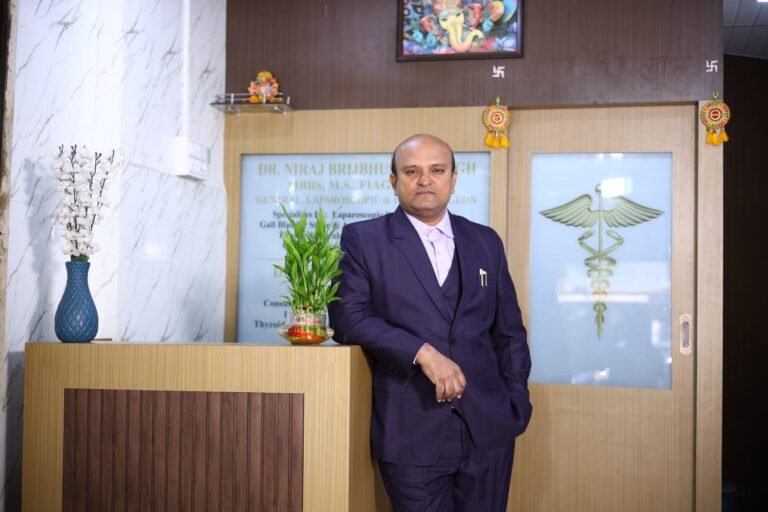
Dr. Niraj Singh is a Consultant General and Laparoscopic Surgeon with expertise in advanced surgical care and minimally invasive techniques.